
Policy Priorities for the Australian Government
Read in more detail how Australia's next Government can take strong, decisive action to reduce greenhouse gas emission and take action on climate: for our animals, our ecosystems, and our future.
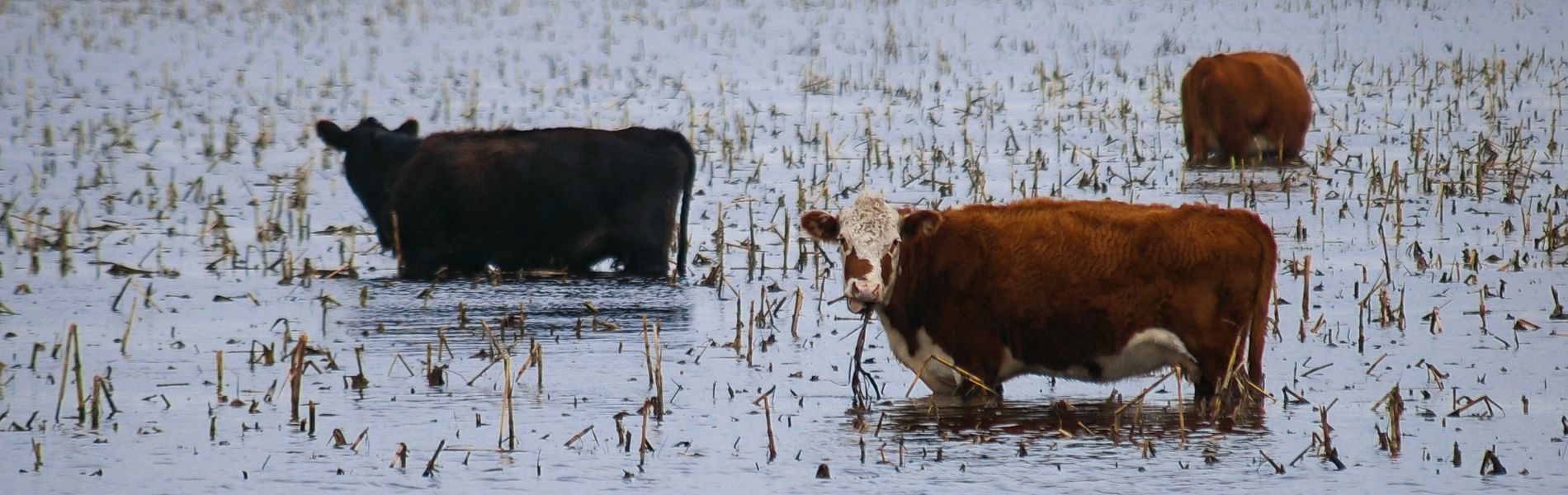
Five years after the Black Summer Fires claimed three billion animal lives, we know more action is needed to cut climate pollution. The latest ex-Tropical Cyclone Alfred, made more intense and damaging due to climate pollution [1], has caused millions in stock losses, blown koalas from trees, swept seabirds inland, and left endangered grey-headed flying foxes, kangaroos, swamphens, bats, and snakes injured or dead. Unnatural weather events continue to harm our wildlife, expanding diseases threaten our multi-billion dollar livestock industry and food security, while heat stress increasingly impacts our companion animals.
The next five years are pivotal, requiring decisive government action to hold the increase in global average temperatures to well below 2°C of warming and pursuing efforts to keep warming to less than 1.5°C.
The consequences of exceeding 1.5°C will be stark: heatwaves, droughts, bushfires and intense rain events will become even more severe and frequent. Sea levels will rise, species will become extinct and crop yields and livestock production will fall. This will cause further food and water insecurity, economic disruption, conflict, and terrorism. [2]
There is no safe level of global warming.
Immediate and ambitious measures will protect biodiversity, improve agricultural sustainability, and transition the economy towards a renewable future. By addressing climate change now, we can ensure a healthier environment for both people and animals for generations to come.
Veterinary voices on the frontline of climate change
Hear from veterinarians and Traditional Owners in the Northen Territory, experiencing the changing climate.
1. End Fossil Fuel Projects – Stop new coal, oil, and gas projects.
2. Accelerate Renewable Energy – Fund electrification, efficiency upgrades, and battery storage for homes, businesses, and community facilities like animal shelters
3. End Deforestation & Native Forest Logging – Protect vital wildlife habitats.
4. Strengthen Environmental Laws – Ensure stronger biodiversity protections.
5. Support Veterinary Professionals – Establish a National Animal Disaster Fund to compensate private vets for emergency care during disasters
6. Commit to Low Emissions Agriculture – Promote more sustainable farming.
Australia has an opportunity to lead the world in climate action by implementing a number of policy priorities. Vets for Climate Action has outlined these in more detail and we invite you to share these with all political candidates, and also your friends, family, and colleagues.

